
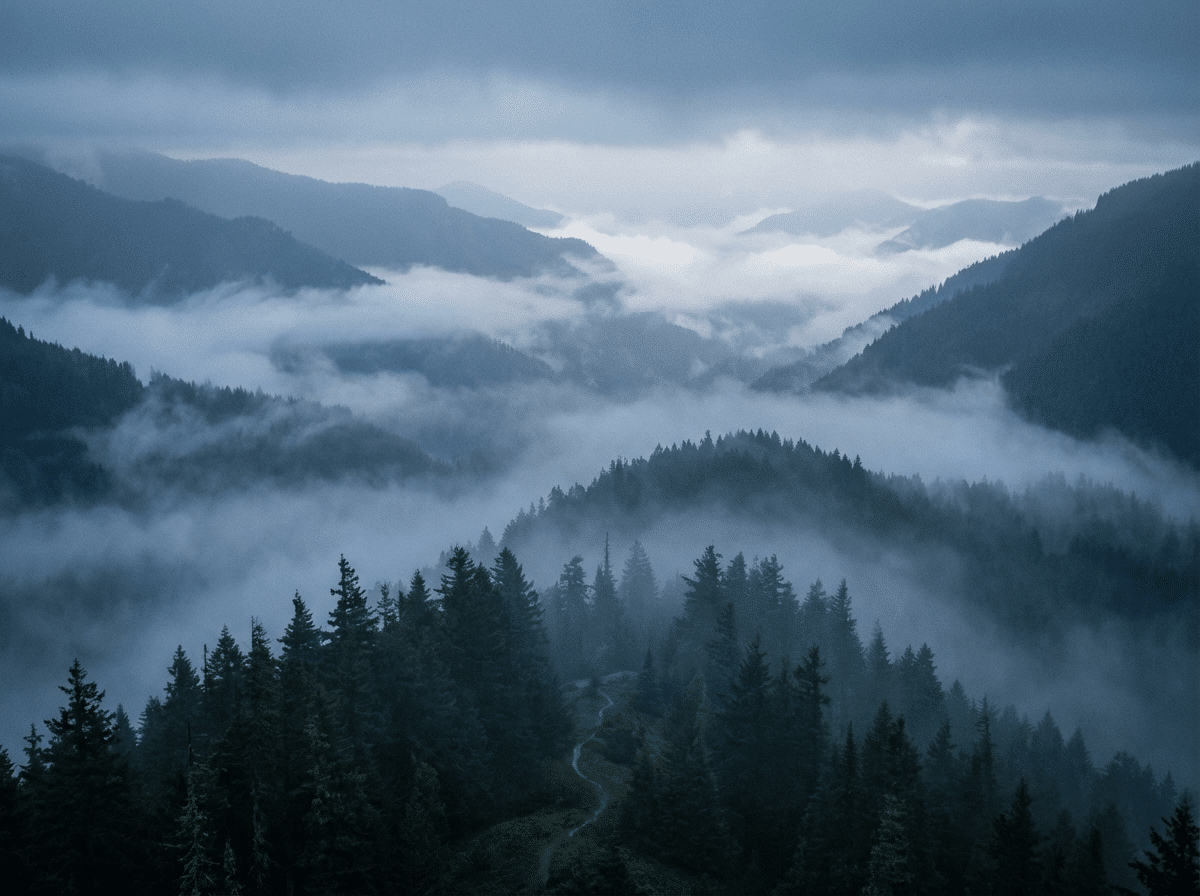
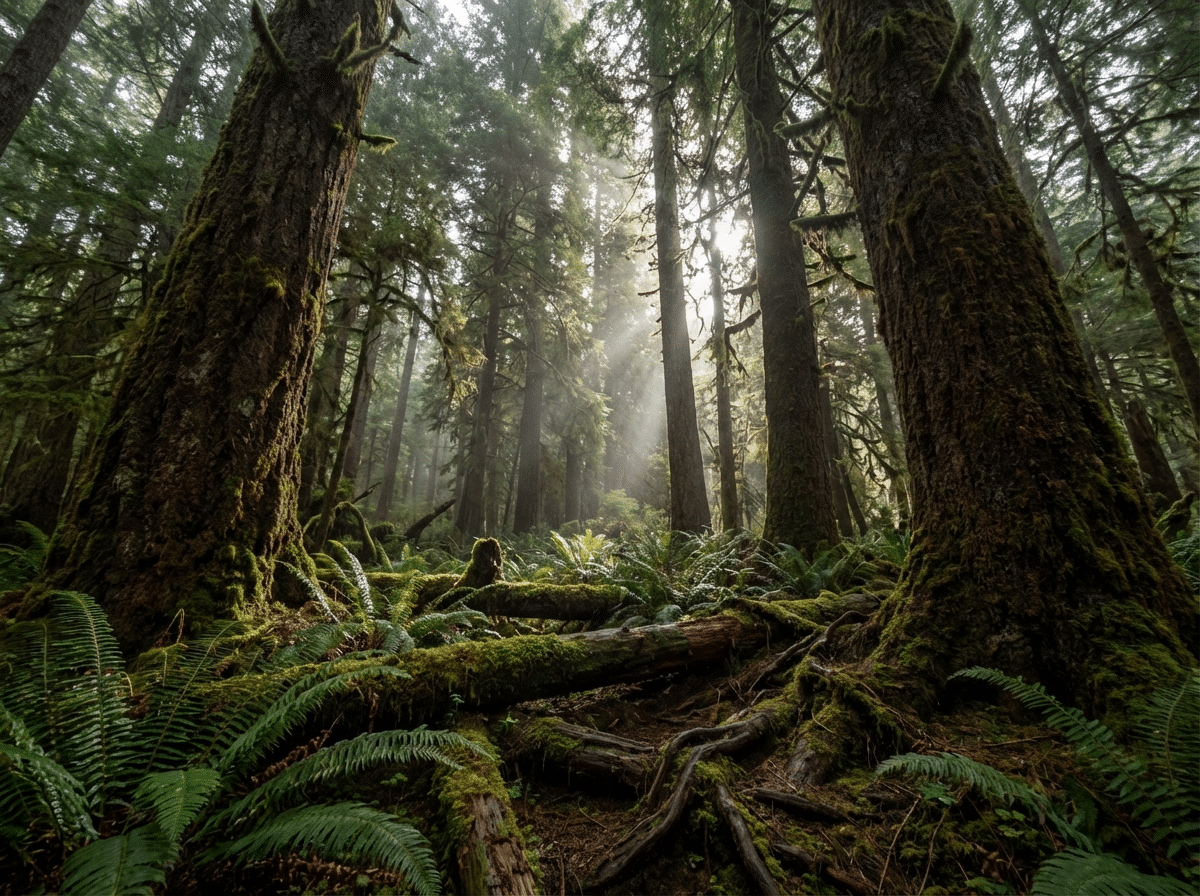
Sighting Zones
5 documented encounter zones · Cascade backcountry · 2022–2024
Coldwater Basin
ZONE A
ZONE A — Coldwater Basin
Date: Oct 2024 Witnesses: 3 witnesses Evidence: Thermal hit + footprint cast CONFIRMED
Dead River Valley
ZONE B
ZONE B — Dead River Valley
Date: Sep 2023 Witnesses: 1 witness (solo hiker) Evidence: Audio recording + trail damage PROBABLE
Ridge 44N
ZONE C
ZONE C — Ridge 44N
Date: Jun 2024 Witnesses: 2 witnesses (research team) Evidence: Film footage + branch breaks at 12 ft CONFIRMED
Old Growth Corridor
ZONE D
ZONE D — Old Growth Corridor
Date: Mar 2022 Witnesses: 4 witnesses (survey crew) Evidence: Visual sighting + vocalisations CONFIRMED
Cascade Saddle
ZONE E
ZONE E — Cascade Saddle
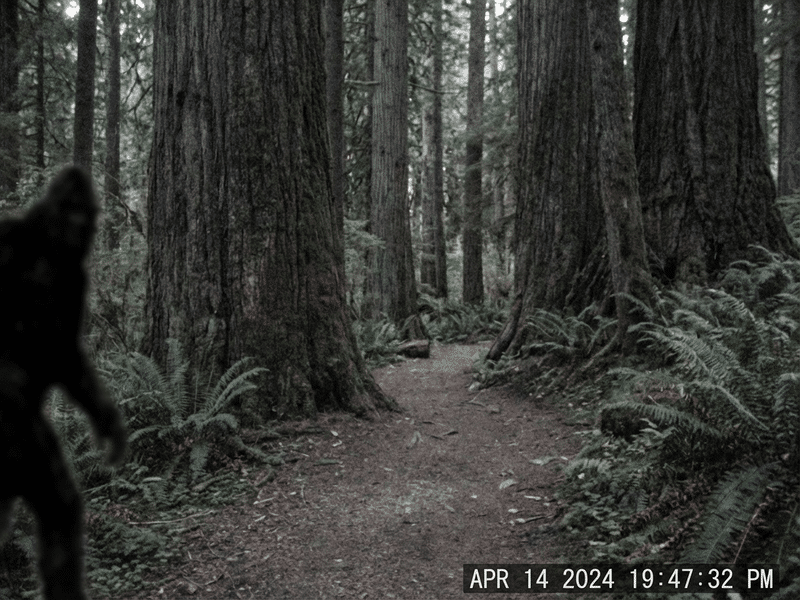
Date: Nov 2024 Witnesses: Unmanned (trail cam) Evidence: Motion-triggered photo sequence UNDER REVIEW
Evidence Locker
Classified — Expedition Files 2019–2024 · Not for public release
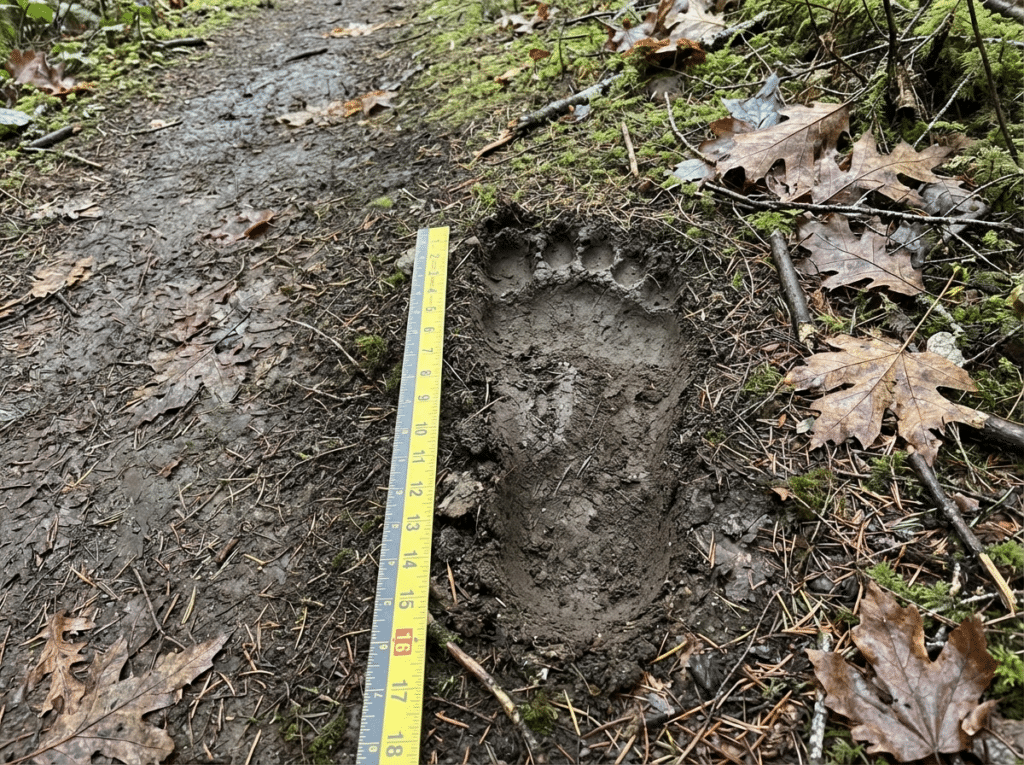
Toe Impressions
Depth Analysis
Scale Reference
Soil Disturbance
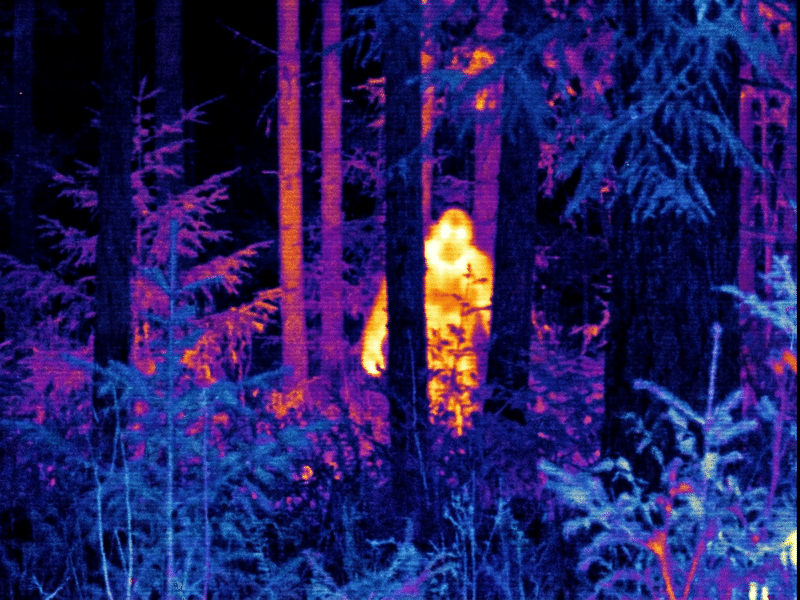
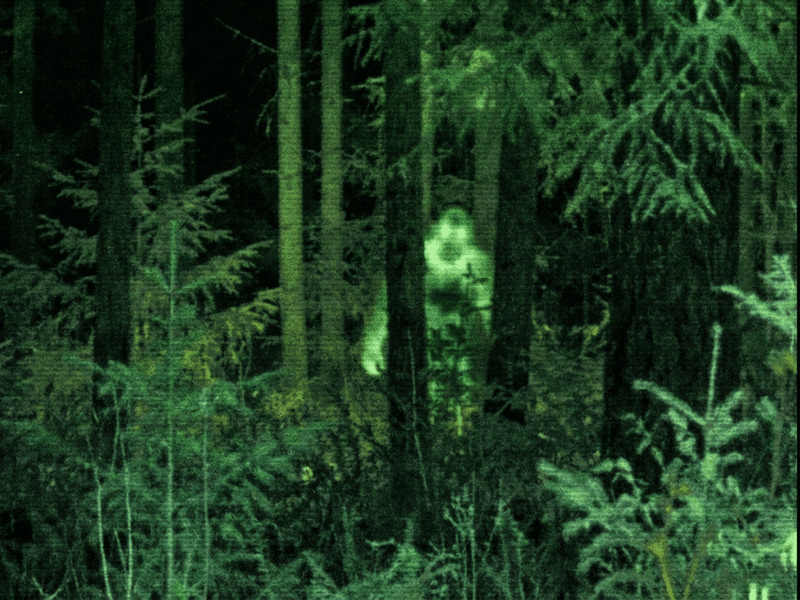
Enhancement Analysis
Raw thermal capture (left) compared to digitally enhanced analysis (right). Enhancement processing reveals additional detail in the subject’s outline and suggests bipedal locomotion consistent with primate gait patterns.
Processing: FLIR post-capture → NIR enhancement → Edge detection
Something Ancient Lives Here
The data converges. Every sensor, every witness, every broken branch points to the same coordinates. Whatever it is, it’s been here far longer than we have.
Track Analysis Protocol
Standard measurements taken at every discovery site. All casts made with dental stone for maximum detail preservation. Average length: 15.2-18.5 inches Average width: 6.8-7.4 inches Stride length: 4.8-5.5 feet Depth range: 1.8-2.4 inches (compacted soil) Dermal ridges: Present in 73% of quality casts
Observed Behavior Patterns
89% of sightings occur between 10 PM and 4 AM. Territorial marking includes branch breaks at 10-14 ft and wood knocks. Vocalisations: Low-frequency infrasound (18-22 Hz), howls, wood knocks Avoidance: Subject consistently maintains 200+ yard buffer Diet evidence: Foraging signs suggest omnivorous, heavy on roots and berries
Required Expedition Gear
DSLR + 500mm telephoto FLIR thermal imager Parabolic microphone Dental stone casting kit GPS waypoint logger 72-hour ration pack Bear spray (2 cans min.) First aid / trauma kit VHF radio (no cell service) Red-lens headlamp
Expedition Protocol
1. Never travel alone. Minimum team of three. 2. Maintain radio contact at 30-minute intervals. 3. Document everything. GPS-tag all evidence locations. 4. No flash photography. Infrared only after dark. 5. If subject is within 100 yards: stop, observe, do not approach. 6. All specimens must be photographed in situ before collection. 7. Return to base camp before full dark. No exceptions.
The Fire Keeps Watch
Remember: never hike alone after dark |
Base camp. The only warm spot for four miles in any direction. The fire crackles. Outside the circle of light, the old growth is absolute darkness. Somewhere in it, something breathes.
It Was Here Last Night.
Dawn breaks. The expedition continues. Join us. See what Pond Apex can build.